
What’s New
Stay up to date with everything going on in the world of RockTape!
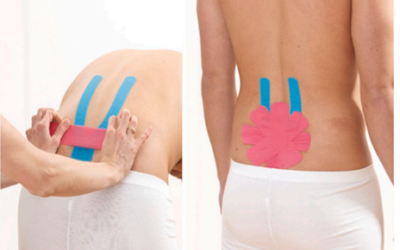
Adding kinesiology tape to your low back exercise regime may give you better improvements than exercise alone
A recent study looked at the use of kinesiology tape in addition to the use of stabilization exercises for chronic low back pain. The study investigated 50 participants with lumbar pain of greater than three months duration and aged between 20 and 40 years old. Most...
Kinesiology tape can help your turf toe injury.
Whilst we are familiar with many kinesiology tape studies typically focussed on knees, low backs and shoulders, there was a recent study published on quite a niche injury: turf toe. Turf toe occurs when the big toe is forced into excessive dorsiflexion which can...
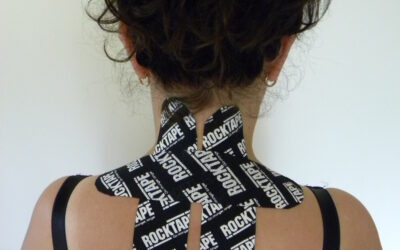
Kinesiology tape can help the pain in your neck.
Neck pain is a very common complaint, and estimates are that it will affect up to 60% of people at some point in their lifetime. A systematic review was recently conducted to look at the effect of kinesiology tape on neck pain. The review looked at 10 Randomised...
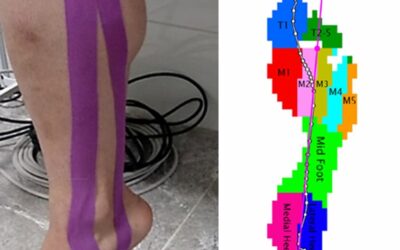
Got “Shin splints”? Kinesiology tape might help.
A recent study investigated whether the application of kinesiology tape would help in runners who were experiencing medial tibial stress syndrome (MTSS), more commonly known as shin splints. The study involved 32 runners currently experiencing medial shin pain and...
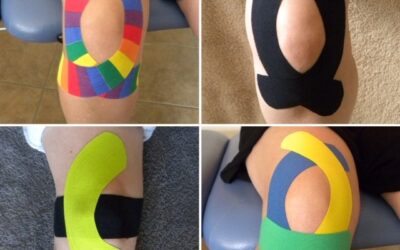
Kinesiology tape is helpful to reduce anterior knee pain
Historically there have been many studies looking at the use of kinesiology tape (KT) and rigid tape for knee pain, many with positive findings. Recently there was a systematic review and meta-analysis published looking at KT for patellofemoral pain syndrome (PFPS)....
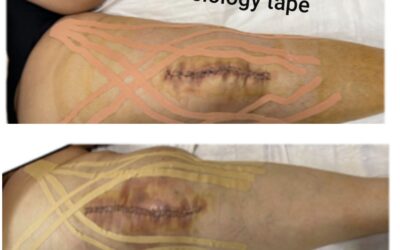
Kinesiology tape helps with post-operative swelling after knee replacement surgery.
A Turkish study investigated the effect of kinesiology tape on postoperative pain and oedema following total knee arthroplasties (TKA). The study compared kinesiology tape with a non-elastic sham tape to consider whether the elasticity of the kinesiology tape...
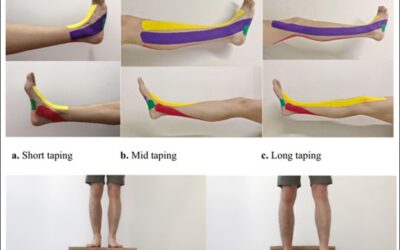
Kinesiology taping may assist with ankle proprioception impairments.
Chronic ankle instability (CAI) is believed to be associated with an impairment in proprioception that may occur following a primary ankle sprain or as a sequelae of multiple ankle sprains. When ligamentous damage has occurred, the proprioceptive input from the...
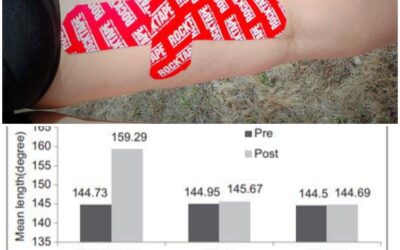
Kinesiology tape can have an immediate effect on hamstring flexibility.
A study from 2023 found that the application of kinesiology tape to the hamstring muscles of healthy, young females could significantly improve the extensibility of the hamstrings within a very short time period. This study had 96 participants with mild hamstring...
Soft Tissue course – how to positively affect both the neurological and mechanical systems.
Most manual therapists have traditionally been taught a very mechanical model when it comes to soft tissue therapy. Recently, many people would agree that the benefits we achieve with soft tissue therapy can be attributed to both the neurological effect as well as the...

What is the optimal tape tension for pain relief?
Kinesiology tape is typically applied with a small amount of stretch on the tape, but recommendations vary for how much stretch to apply. Whilst the optimal amount of tape tension will most likely vary from person to person, a recent US study tried to compare the...
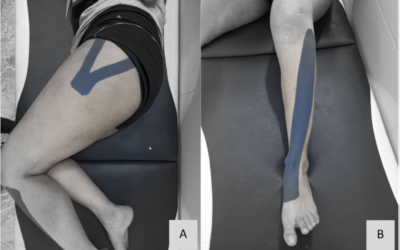
Use of kinesiology taping to assist with dynamic knee control in female athletes.
This study from Iran set out to investigate the effects of using kinesiology tape on dynamic knee control in a group of female athletes. An increase in knee valgus in landing is thought to increase the risk of many knee injuries such as ACL and MCL injuries. ...
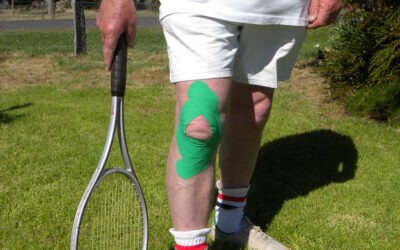
Effectiveness of Kinesiology tape for knee arthritis
Knee osteoarthritis (OA) can be a debilitating condition resulting in pain, loss of mobility and a decrease in independence. Exercise, in particular strengthening exercise, is one of the key components of knee OA management. However, often the knee pain that is...

Do you tape your knees to help with pain? Maybe you should.
Knee pain and the effects of kinesiology tape have been well studied with many articles showing a benefit in pain levels and daily function with tape applied. There have been two recent articles that have added to the evidence base for using kinesiology tape for...
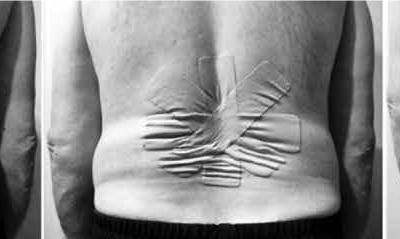
Different taping techniques for persistent low back pain-does it matter how you tape?
Persistent low back pain is a very common problem worldwide costing millions of dollars with a huge variety of interventions being used, often without much success. Kinesiology taping is a relatively cheap, non-invasive modality that can be used as an adjunct to...

RockTape kinesiology taping courses
Kinesiology tape is a divisive subject. The mention of it tends to send some physio-centric social media channels into meltdown! But I believe that many therapists have formed opinions of kinesiology tape based on outdated claims that have their origins in the...
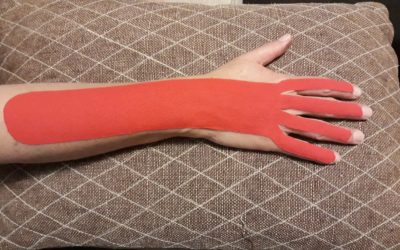
A study of participants with carpal tunnel syndrome and how they felt with kinesiology taping applied.
Much of the research that is completed in manual therapy is “quantitative”- that is they measure an objective variable such as grip strength, jump height, force produced etc. There are few published papers that are “qualitative” in nature, that is that ask...

Kinesiology tape reduces pain and disability in female patients with chronic low back pain.
A recent study by Macedo et al has shown improvements in pain levels and a reduction in a disability measure in those with chronic low back pain following one application of kinesiology tape! This study included 108 females between the ages of 18 and 50, who had...

Rock Pods – cupping
What are Rock pods? Rock Pods are our version of cupping. They are medical grade silicone cups that come in 2 sizes. Each set of Pods has 4 large an 4 small cups and come in a convenient carry case. What are they designed to do? Cupping creates a decompressive force...